
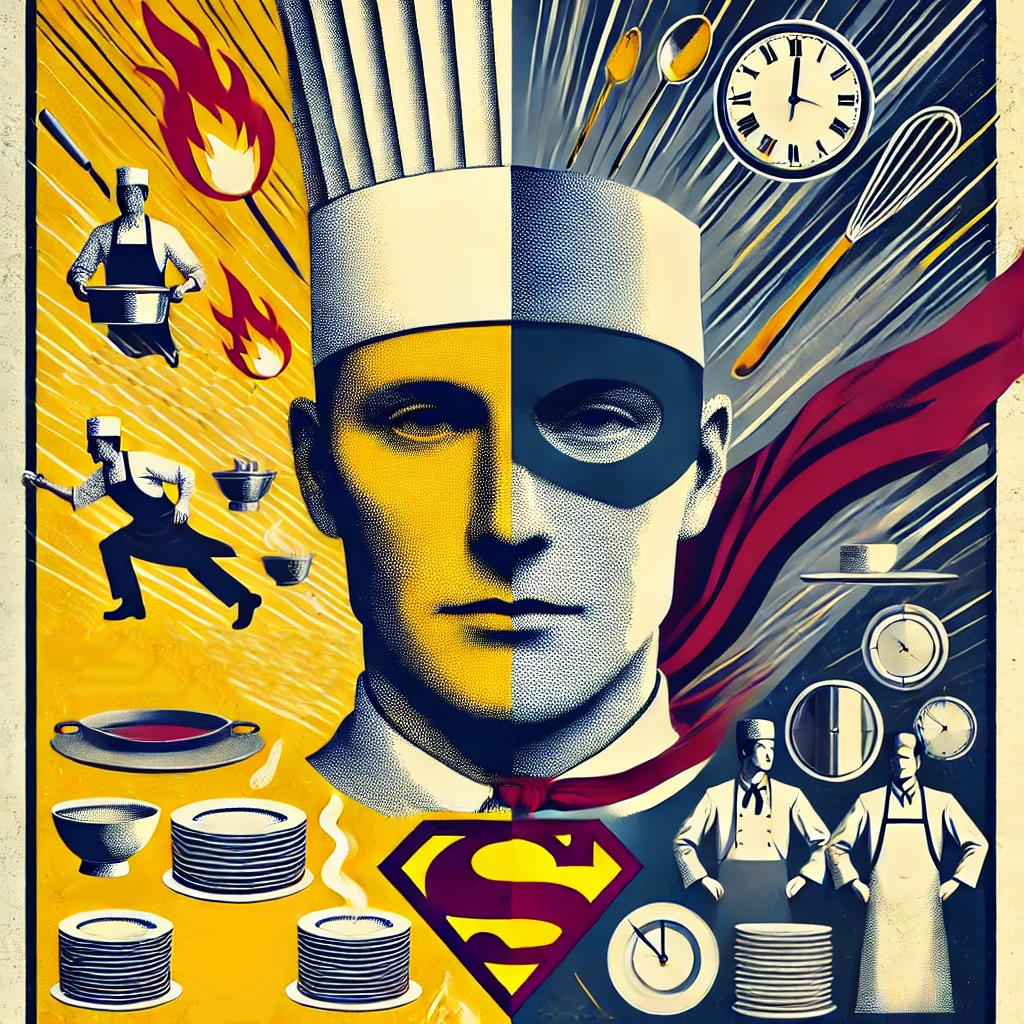
5. Make the Job a Fair Deal, Not a Heroic One
Published 02.03.2026
Most people do not come into hospitality dreaming of giving up their weekends to be run ragged while inhaling a lukewarm staff meal of pasta and tuna at 5.12pm. They are not thinking, “I cannot wait to miss every Saturday night for the next ten years and argue with a printer that refuses to print.” They apply because the job fits around their life. Because it is accessible. Because it can pay well with tips. Because it leaves space to pursue something else.
Waiter. Bartender. Receptionist. Chef. Manager.
They know the hours can be long. They know it can be busy, physical, sometimes messy. None of that is shocking. What is disappointing is how often we fail to meet even those expectations they arrived with.
Unpredictable rotas. Blurred standards. Managers nowhere to be seen when it matters. Perfection demanded while fairness feels optional. A slow creep into their personal life. Sorry, but that part is on us as leaders.
Yes, a few chefs may be chasing greatness, fame, or their own place one day. Burnout is not the end goal. Nobody signed up thinking the real prize was a second chair in a windowless office doing admin at midnight.
The hero narrative rarely starts at entry level. We create it. We romanticise the grind. We glorify the war stories. We praise the manager who survives chaos instead of the one who prevents it. We built a culture where exhaustion became a badge of honour, then act surprised when people decide they would quite like a life as well.
Many of us were trained in that grind culture. That explains it. It does not excuse repeating it. We inherited it. We do not have to keep passing it on.
Making the job a fair deal is not about reinventing hospitality. It is about basics. Predictable schedules. Clear standards. Managers on the floor. Space to be human rather than heroic.
Get those right and churn drops faster than adding another 50p an hour ever will. Pay matters, of course it does. But fairness sticks. People do not leave because the job is hard. They leave because it does not match what they were promised. That gap between promise and reality is still ours to close.
Don’t add pay. Don’t add perks. Fix the fairness first and see what changes. If nothing improves, I’ll eat my hat.
So here’s your challenge.
Pick one role in your business this week and look at it through their eyes, not your spreadsheet.
Take the rota and ask yourself if you could plan a normal life around it.
Read the job description and check whether what you’re asking for on the floor actually matches what you promised when you hired them.
Then do one shift out front or in the kitchen and manage properly, not heroically, not performatively, just present, fair, and clear.